A house cleanout vs dumpster rental mostly comes down to who will do the lifting and loading. A cleanout service can carry away agreed-upon items, while a dumpster gives you a place to load them yourself. The better choice depends on the work, the items, access, and your schedule.
A move, estate, or big decluttering job can leave a home full of belongings to sort. Some people need help carrying items out. Others would rather sort and load things on their own. Learning how both choices work can help you plan in West Chester and nearby communities.
Table of Contents
- What’s the difference between a house cleanout and a dumpster rental?
- How do you decide which option fits your cleanout?
- How does the work differ for homeowners?
- Which option works better for an estate or move-out cleanout?
- What items can each option typically handle?
- How do access and scheduling affect the choice?
- Which option is more practical for a large cleanout?
- What factors affect the overall cost?
- Can you combine a dumpster rental with junk removal?
- How can you choose the right option for your house cleanout?
- Frequently Asked Questions
- Conclusion
What’s the difference between a house cleanout and a dumpster rental?
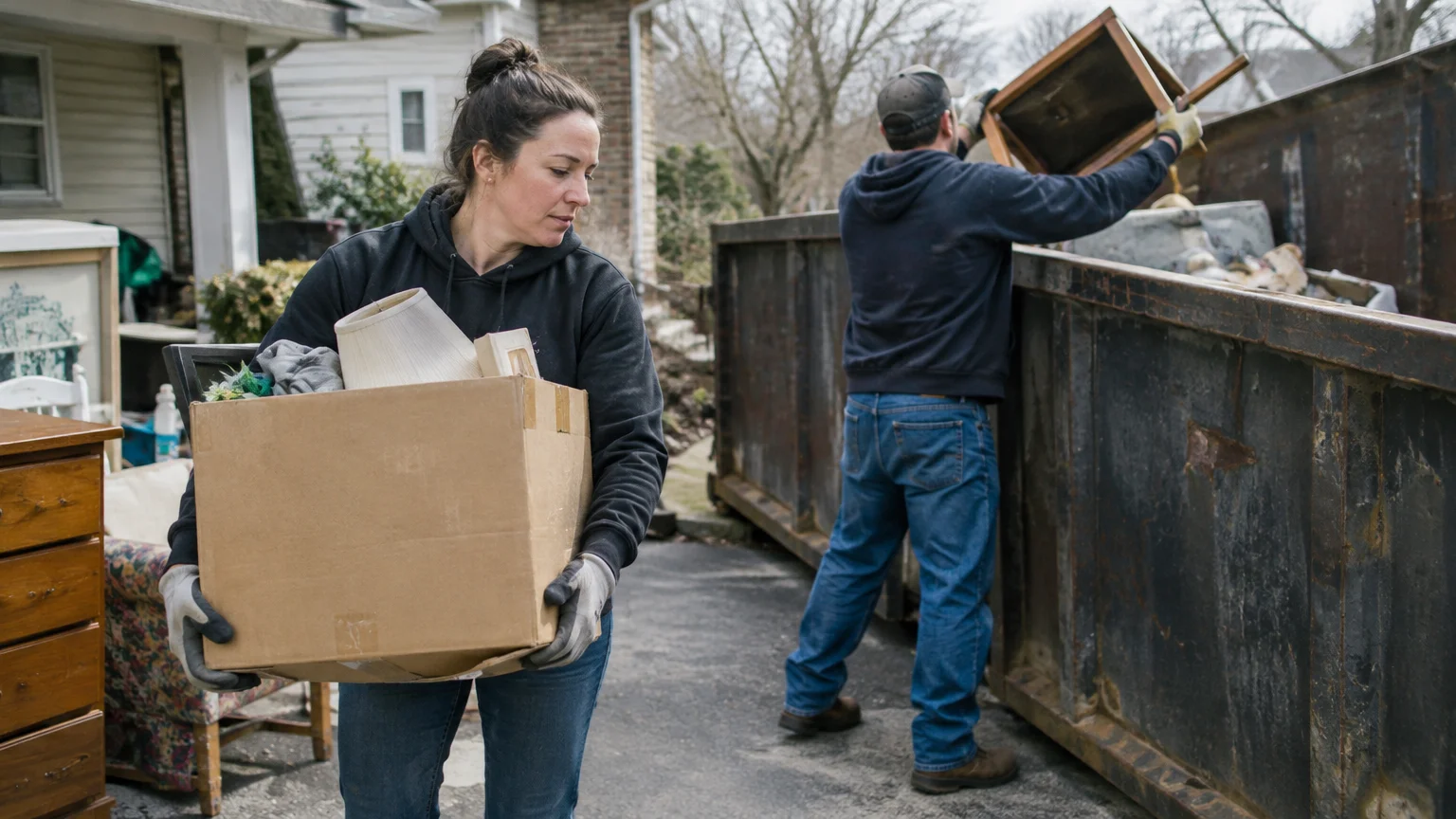
A house cleanout service takes away agreed items from your home. A dumpster rental gives you a container to fill. With a service, a crew may carry items from rooms and load them. With a dumpster, you usually sort, carry, and load the items yourself.
What a full-service house cleanout includes
A full-service cleanout starts with a clear plan for what should go. You point out the items, rooms, or areas that need clearing. The crew then removes the items you agreed on. These may include furniture, boxes, and common household clutter. The work can vary, so ask what the service includes before it starts.
This choice may help when items are in many rooms or on several floors. It can also suit people who cannot lift heavy things or do not have time to load a container. West Chester PA Junk Removal can explain how its house cleanout service works for homes and nearby areas.
What to expect when renting a dumpster
A dumpster rental places a container in an agreed spot for you to fill. You sort your belongings, carry items outside, and load the container. When the rental period ends, the provider collects it based on your arrangement.
A dumpster may work well for a hands-on project with steady loading. It does not usually include someone coming inside to take items from each room. Before you choose one, ask which materials are allowed, where it can go, and how pickup works. The main difference is who does the lifting and loading.
How do you decide which option fits your cleanout?
Choose based on the work, the items, and how much help you need. A dumpster may fit when people can sort and load things themselves. A house cleanout service may work better when carrying items out is hard or the home needs a broad clear-out.
Consider the size and scope of the project
Walk through the home and list the areas that need work. Clearing one garage or spare room may need a different plan than clearing a whole home. Write down large furniture, appliances, boxes, and loose debris. Mark anything that must stay so it does not get mixed in with items to remove.
Think about how soon the work needs to be done. A small job may happen in stages, while a move-out or property handover may have a firm date. A list of rooms and items helps a provider understand the job. It also helps you compare the two choices in a fair way.
Assess how much work you want to handle yourself
Be honest about the physical work involved. Loading a dumpster can mean carrying, bending, and moving heavy things again and again. You can do simple sorting and light cleaning without hiring a professional. But heavy lifting, awkward stairs, or many belongings may call for help.
Ask West Chester PA Junk Removal what its crew handles before you book. Also ask what you need to do before the work starts. A good choice fits the people, time, and tools you have. Do not choose a do-it-yourself plan just because it sounds easy at first.
How does the work differ for homeowners?
With a dumpster, homeowners usually do most of the sorting and loading. With a cleanout service, a crew may carry away the items you agreed to remove. Either choice needs clear directions, safe access, and a plan for belongings that must stay.
Sorting, lifting, and loading items
Before anything leaves, set aside items to keep, donate, recycle, or discard. Label boxes and keep papers, keys, medicine, and small valuables apart. This step matters whether you hire a crew or load a dumpster. Clear labels can help prevent mix-ups when several people are helping.
You do not need a professional for basic sorting or light tidying. A broom, strong boxes, and a room-by-room plan can be enough. Heavy furniture, large appliances, and sharp or broken items need more care. Do not lift anything that feels unsafe. Ask how the provider handles large items before work begins.
Placement, access, and protecting the property
A dumpster needs a suitable place, such as a driveway or another approved spot. Check that cars, gates, and walkways will not block access. Ask if the ground and overhead space can fit the container. Rules can vary by property and local needs, so check with the right authority or property manager.
A removal crew needs a clear path from the items to the exit. Move small things out of hallways and tell the crew about stairs, tight turns, or delicate floors. Covering floors and door frames may help protect your home during a large move. Good access planning makes either choice safer and smoother.
Which option works better for an estate or move-out cleanout?
A full-service cleanout may suit an estate or move-out when the home has many items, little time, or hard access. A dumpster may suit a household that can sort belongings and load them over the agreed period. The right choice depends on who is making decisions, the deadline, and how much help is available.
Managing belongings that need careful sorting
Estate cleanouts often include personal belongings, papers, furniture, and things with family meaning. Family members should agree on what stays before removal begins. Set aside photos, documents, keepsakes, and items that need more thought. A room-by-room list can help several people make choices without mixing important belongings into the discard pile.
A service can remove items after the family decides what should go. A dumpster can hold unwanted things, but the household must carry them out and load them. Neither choice takes the place of careful review. If no one is sure about an item, keep it separate until the right person can decide.
Planning around deadlines and multiple decision-makers
Move-outs may involve a key return, sale, lease, or handover date. Leave time to sort, remove items, and check each room and storage area. If several people must approve choices, agree on who gives the final directions. This can prevent delays and help avoid removing something by mistake.
A house cleanout service may help when the deadline is close and the home needs a lot cleared. A dumpster may fit when family members can work through the home at a steady pace. Before booking, confirm the date, access plan, areas included, and how changes will work. A short written plan can make a hard cleanout easier to handle.
What items can each option typically handle?
Both choices may handle many common household items, but rules vary by provider and container. Furniture, boxes, and general clutter are common cleanout items. Ask about appliances, building debris, and items that may need special handling before removal or loading.
Household furniture and general clutter
Old chairs, tables, mattresses, shelves, and boxes may be part of a home cleanout. A crew can carry agreed items from the home, while dumpster users usually move and load them. Before you get rid of old furniture, check if it is safe and suitable for donation or reuse. If it is broken or a donation group will not take it, ask the removal provider how it may be handled.
For a refrigerator or another appliance, ask the provider or local waste office how it should be handled. Do not assume every dumpster accepts appliances. A fridge may need special steps or a separate pickup plan. Keep its doors secure while it is moved, and do not handle parts that may be unsafe.
Items that may need special handling or disposal
Some items are not allowed in ordinary dumpsters or standard junk removal loads. Paint, chemicals, fuel, batteries, and some electronics may need a special drop-off or collection program. Local rules differ, so check your waste authority’s guidance before setting these items aside.
Concrete chunks, soil, and other heavy debris may also have limits. Ask what the container or service can take before loading. A container full of heavy material may be handled differently from one holding light household clutter. If you are unsure, name the item and describe its condition before planning the job. This can help prevent a rejected load or a last-minute change.
How do access and scheduling affect the choice?
Access can shape which choice works best. A dumpster needs a safe place for delivery and pickup. A cleanout crew needs room to reach the home and carry things out. Timing matters too, especially when a property must be ready before a move or handover.
Driveway space, stairs, and narrow access
Check driveway space, gates, low branches, and parked cars before arranging a container. A narrow street or shared parking area may make placement harder. Ask what access details the provider needs and whether your planned location will work. If your property has rules for containers or work crews, check them before setting a date.
Inside the home, note stairs, tight halls, and delicate floors. A large sofa may not fit through a doorway without careful handling. Do not force an item through a tight space or take apart equipment without the right skills. A removal crew can review access needs, while people renting a dumpster need to plan how items will reach it.
Timing, rental periods, and collection coordination
A dumpster plan depends on the rental period and pickup schedule you arrange. You need enough time to sort and load the container. A full-service cleanout may happen during a planned visit, depending on the job and schedule. Confirm the timing instead of assuming the work can happen right away.
For either choice, get items and access ready before the planned work. Keep the driveway clear, point out items that must stay, and make sure someone can answer questions. If the cleanout involves a tenant, family member, agent, or property manager, share the plan with everyone. Clear timing and access details help prevent delays.
Which option is more practical for a large cleanout?
A dumpster may suit a large cleanout when people have time, help, and a safe way to load it. Full-service removal may make a major clear-out easier when the home has many bulky items or the household cannot do the lifting. The size of the job is only part of the choice; the help available matters too.
When a dumpster can suit a hands-on project
A dumpster may work when you want to sort at your own pace and have people ready to carry items. It can keep unwanted material in one place during a project. This may help when you are clearing several rooms over time and can keep the loading area safe and tidy.
You still need to do the physical work and follow the container rules. Separate items that are not allowed before loading. Place heavy things with care and do not fill past the allowed level. If the job includes a fridge, electronics, or concrete, check the rules first. Renting a container is not the same as a house cleanout service if you need someone to remove items from inside.
When full-service removal can simplify a major clear-out
A full-service house cleanout may help when there are many large items, several rooms to clear, or little help available. The crew can remove agreed items from the home, which may mean less carrying for you. For a large job, explain the work clearly so the provider can plan the right crew and tools.
If you are looking for professional house cleanouts, describe the home, the rooms, and any hard-to-move items. Mention stairs, long paths from the house, and tight spaces. West Chester PA Junk Removal can explain what a house cleanout may include and what details help plan the work. A clear list of the job is more useful than a rough guess about its size.
What factors affect the overall cost?
The overall cost can depend on how much needs to go, how much labor is needed, what the items are, and how long the work takes. A small load of easy-to-reach items is different from a whole-home cleanout with heavy things and stairs. Each provider sets its own terms, so the final cost is confirmed on a quote based on the job details.
How labor, volume, item type, and project duration matter
The amount to remove is one key factor. A few pieces of furniture need less space and handling than a home full of boxes, appliances, and mixed debris. Labor can vary too. Items upstairs or behind a narrow path may take more work to move safely.
The item type matters because some materials need special handling or a different disposal route. A refrigerator, broken furniture, or concrete debris may not be handled like ordinary household clutter. Dumpster rental and full-service cleanout also include different tasks. One gives you a container to load; the other may include help carrying items out.
Why the final quote depends on the details of the job
Before accepting a quote, explain the rooms, item types, access, and timing. Share photos if the provider asks, and point out anything that may need special handling. Ask what the service includes and if there are limits on items or areas. The final cost should be confirmed on a quote based on the job details.
Compare what each choice asks you to do, not just the container or removal plan. Include the time and effort needed to sort, carry, and load items. The best comparison is between complete plans with clear roles. Do not assume every provider accepts the same items or handles the same tasks.
Can you combine a dumpster rental with junk removal?
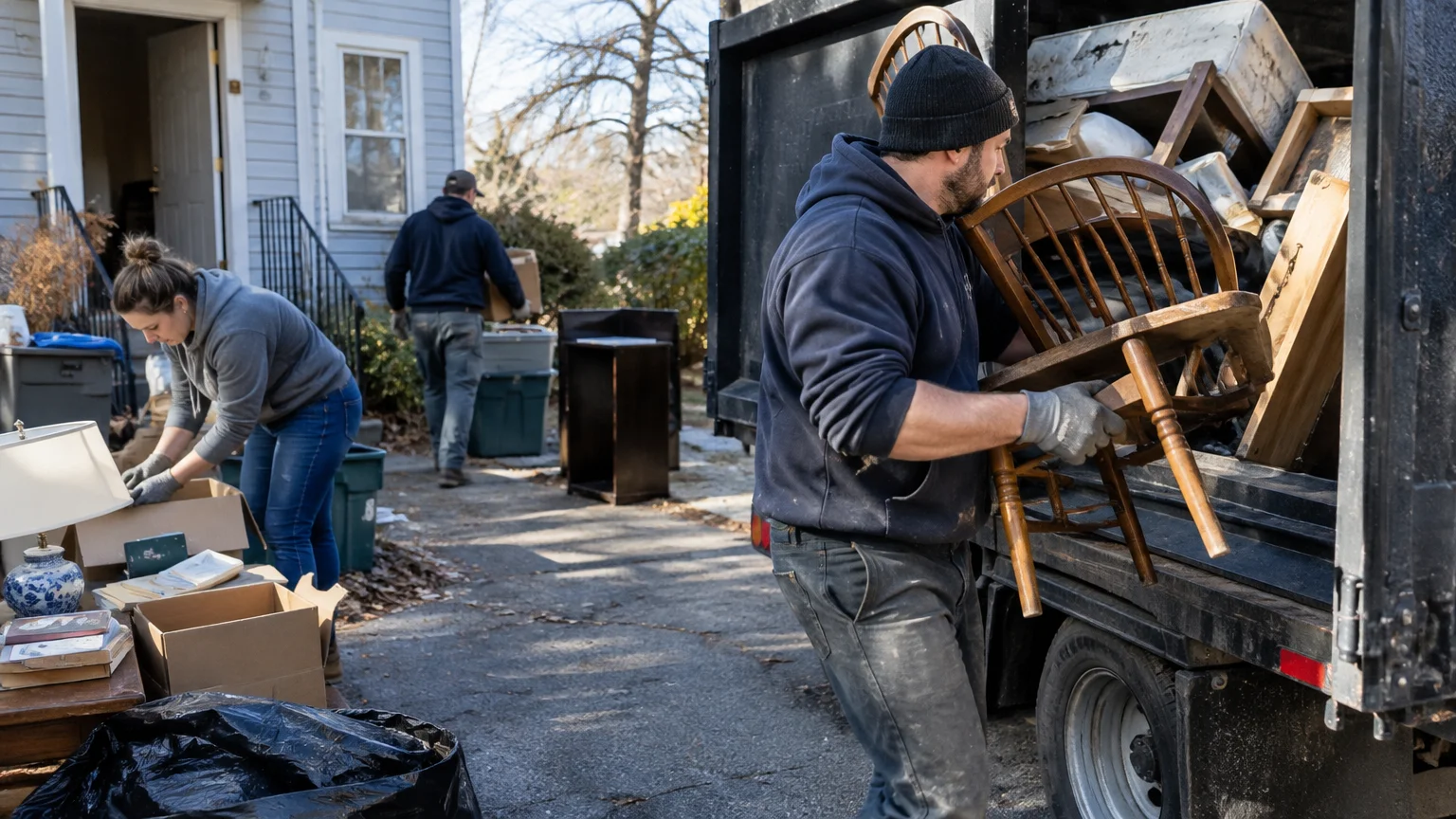
Yes, you can use a dumpster for some materials and arrange junk removal for other items. This may help when a project includes easy-to-load debris as well as heavy or awkward belongings. Decide which items go with each choice before work begins.
How to divide the work between the two options
A dumpster may hold items you can safely carry and load. A removal crew may take bulky furniture, appliances, or items from inside the home. The right split depends on what the providers accept and how much work you can do. Keep items for each choice in separate areas when possible.
For example, a family may load light boxes and small debris into a container, then arrange a crew for a large sofa and refrigerator. This works only if each provider accepts the items assigned to it. Ask first rather than loading an item and hoping it will be taken later.
Questions to settle before the project begins
Agree on who sorts, carries, and loads each item. Confirm the container location, pickup plan, and allowed materials. Ask whether a crew can remove things from the home and whether its visit covers the rooms you listed. Make sure everyone who is making decisions knows what stays and what goes.
Plan the order of work too. If the crew needs a clear path, move boxes and loose clutter out of the way first. If a dumpster will block an entrance, plan deliveries and access around it. A combined plan works best when each task has one clear owner. Write down the plan so everyone can follow it.
How can you choose the right option for your house cleanout?
Choose the option that fits the work, items, property, and help you have. A dumpster may suit people who can sort and load on their own. A house cleanout service may suit people who need help carrying items out or clearing several areas.
A practical checklist for comparing your needs
Before deciding, walk through the home and answer these questions:
- Which rooms, storage areas, and outdoor spaces need clearing?
- Can the household safely sort, lift, and load the items?
- Are there appliances, electronics, chemicals, or heavy debris?
- Is there a suitable place for a container and clear access for a crew?
- What deadline, property rules, or family decisions could affect the plan?
Use your answers to describe the job when you speak with a provider. Ask what is included, which items are allowed, and what you need to do. If the plan uses a dumpster, confirm where it can go and how to load it. If a crew is coming, confirm the rooms and items included.
Key takeaways
- A house cleanout service may carry items from the home; a dumpster rental usually leaves loading to you.
- You can sort and do light cleaning yourself, but heavy or awkward lifting may need help.
- Check the rules for appliances, concrete, and items that need special disposal.
- Access, timing, and the number of decision-makers can affect the best plan.
- Compare all the work involved and confirm the final cost on a quote.
Frequently Asked Questions
Is a dumpster rental the same as a house cleanout service?
No. A dumpster rental gives you a container to fill, while a house cleanout service may remove agreed items from inside the home. Before choosing, ask what tasks are included, what materials are accepted, and what access and timing are needed. These points are useful for house cleanout faqs and for comparing providers.
How do companies handle large-scale cleanouts?
A company usually needs a clear list of rooms, items, and access details before planning a large cleanout. You should mark what stays and what goes. The provider can then explain its process, what the crew handles, and whether some items need another disposal route. The same planning steps can help with office cleanout faqs, though the items and site needs may differ.
How can a household get rid of a fridge?
Ask a junk removal provider, appliance program, or local waste office how to handle the refrigerator. Rules and accepted items can differ. Do not assume a dumpster takes it. Keep the unit secure and do not remove parts unless the provider or maker gives safe instructions.
Can broken furniture go in a dumpster?
It depends on the dumpster provider’s rules and the type of material. Ask before loading broken furniture, especially if it has glass, metal parts, or mixed materials. A removal crew may be another choice if the item is too large or hard to move safely.
Can concrete chunks go with household junk?
Concrete is heavy and may have separate limits or disposal rules. Ask the container provider or removal service before loading it. The provider needs to know how much there is and where it is. Do not mix it with household items unless the provider says it is allowed.
Conclusion
The choice between a house cleanout and a dumpster rental depends on who will sort, carry, and load the items. A container may suit a hands-on project, while a service may help when you need items removed from inside the home. Homeowners in West Chester can also weigh access, special items, and deadlines before choosing.
West Chester PA Junk Removal can help you understand house cleanout options and nearby communities. Contact us to discuss the items, access, and timing for your cleanout.